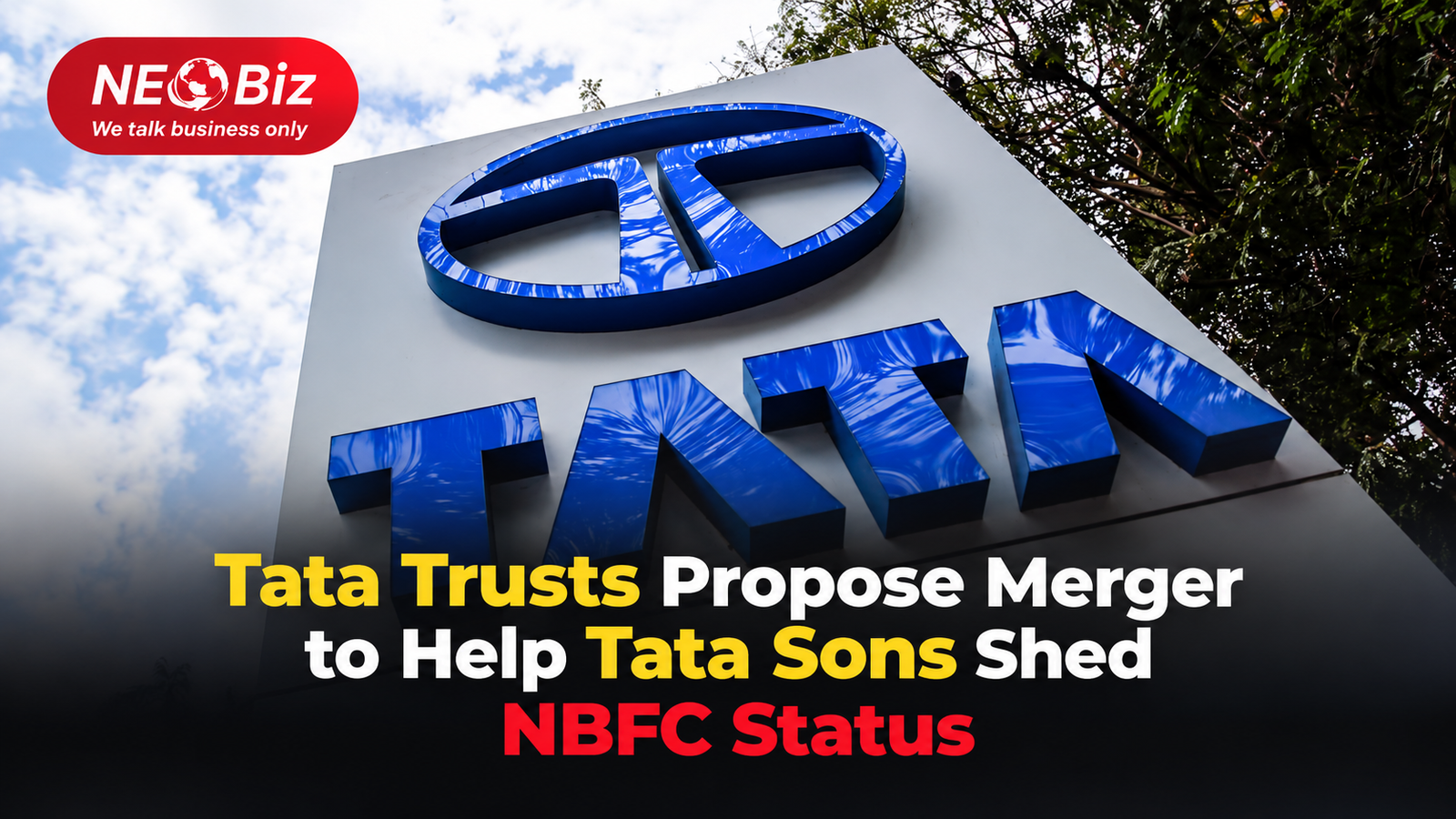
Tata Trusts’ proposed merger plan involving Tata Sons has drawn attention to the Tata Group’s corporate structure and the regulatory requirements governing its financial status. The development centres on whether the proposed restructuring could make it easier for Tata Sons Private Limited (TSPL) to relinquish its classification as a Non-Banking Financial Company (NBFC) by informing the Reserve Bank of India (RBI), rather than going through a more extensive regulatory process.
Tata Sons is the principal holding company of the Tata Group, with interests across several industries, including information technology, automobiles, steel, consumer products, aviation, telecommunications and financial services. Its corporate structure and regulatory classification have been subjects of discussion because of the implications these factors can have for its financial obligations, governance and relationship with the group’s various businesses.
The proposed merger associated with Tata Trusts has brought renewed focus to the possibility of changing Tata Sons’ regulatory status. Tata Trusts, which holds a significant ownership interest in Tata Sons, plays an important role in the group’s ownership and governance framework. Any restructuring involving the holding company and related entities could have implications for how the group manages its corporate relationships and meets regulatory requirements.
The Reserve Bank of India regulates NBFCs and establishes requirements concerning their registration, operations, financial activities and compliance obligations. The classification of a company as an NBFC can influence its reporting responsibilities and the regulatory framework under which it operates. Consequently, any decision by Tata Sons to relinquish this status would need to be considered in accordance with the applicable RBI regulations and the company’s circumstances after the proposed restructuring.
According to the expert view highlighted in the report, once the merger proposed by Tata Trusts takes place, TSPL may only need to inform the RBI about relinquishing its NBFC status. This interpretation suggests that the restructuring could affect the procedural requirements associated with changing the company’s regulatory classification. However, the precise implications would depend on the final structure of the transaction, the applicable regulatory provisions and the RBI’s requirements.
The distinction between notifying a regulator and obtaining specific regulatory approval is important in corporate restructuring. Companies operating in regulated sectors must assess whether changes in their business activities, ownership or organisational structure affect their existing registrations and compliance obligations. The process of exiting a regulated category can depend on several factors, including the nature of the company’s activities, its financial position and the regulations applicable to it.
For Tata Sons, any change in NBFC status could also have implications for its broader corporate strategy and governance arrangements. As the holding company of one of India’s largest business groups, its regulatory position is relevant to investors, financial institutions, group companies and other stakeholders. Changes to its structure or classification may therefore attract attention beyond the immediate legal and procedural aspects of the proposed merger.
The development also highlights the relationship between corporate ownership, financial regulation and business restructuring in India. Large business groups frequently review their organisational arrangements to align their operations with evolving business priorities and regulatory requirements. However, such changes must be assessed carefully to ensure that the resulting structure complies with the applicable legal framework.
The proposed merger and the possibility of TSPL relinquishing its NBFC status remain subject to the relevant process and regulatory considerations. The eventual outcome will depend on the implementation of the proposed restructuring and the requirements applicable to Tata Sons. For the Tata Group, the issue represents an important corporate development, with potential implications for its holding-company structure, regulatory obligations and long-term governance framework.